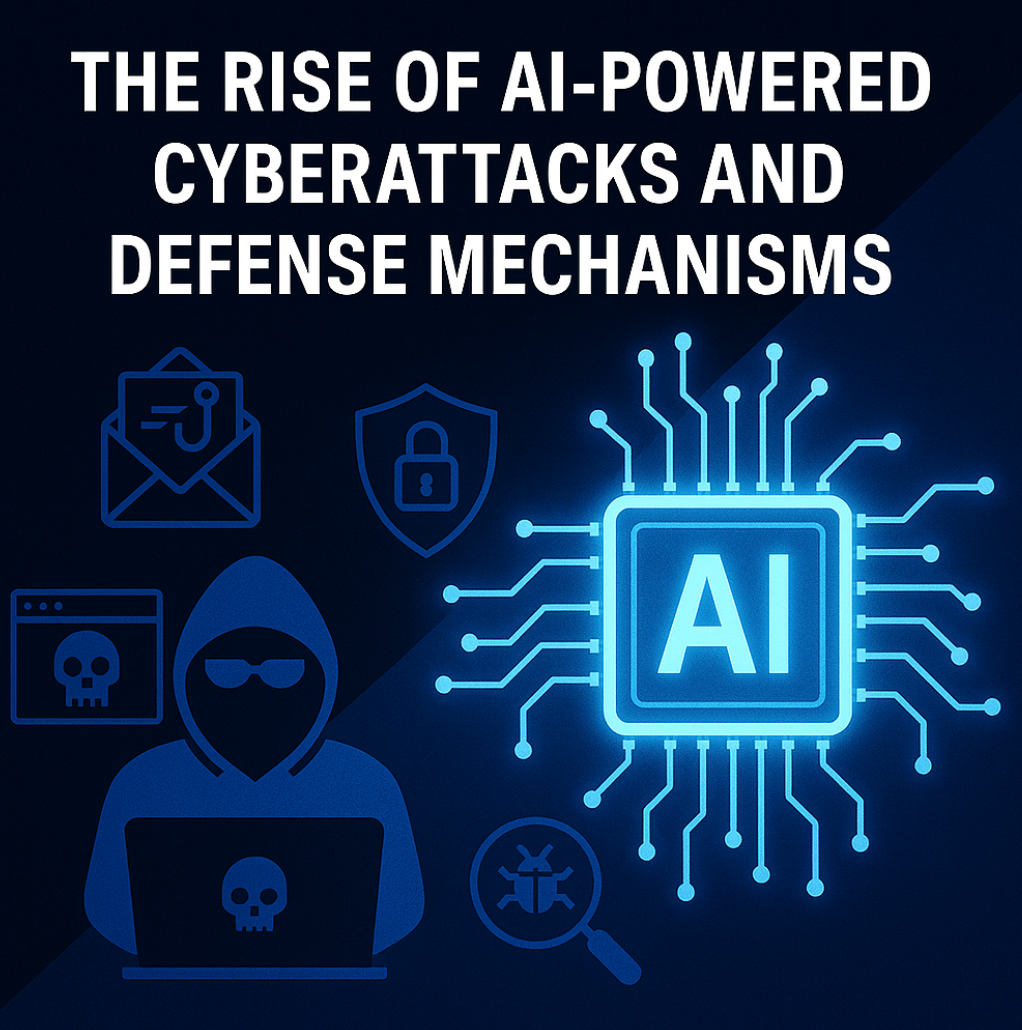
Artificial intelligence has rapidly transformed how businesses operate, from automating processes to enabling real-time decision making. But the same technology is being weaponized by cybercriminals. Security experts now warn about a new wave of AI-driven cyberattacks — including zero-day AI exploits, where autonomous AI agents can find and abuse vulnerabilities before defenders even know they exist.
This article explores what zero-day AI threats are, why they’re dangerous, and how organizations can prepare for this next frontier of cybersecurity.
What Are Zero-Day AI Attacks?
A zero-day attack traditionally refers to exploiting a vulnerability in software or hardware that is unknown to the vendor and therefore unpatched.
With AI, the definition expands:
- Attackers can train AI models to automatically hunt for vulnerabilities across systems.
- Generative AI can create new exploits or mutate existing malware faster than humans can patch them.
- AI agents can perform social engineering at scale, tailoring phishing messages, deepfake audio, or scams to each target.
- AI systems themselves (like chatbots, decision models, or autonomous agents) can be tricked with prompt injection — hidden instructions that cause them to behave maliciously.
Why This Matters Now
- Speed & Scale Hackers no longer need teams of coders; AI can generate code, identify weaknesses, and launch attacks at machine speed.
- Personalized Attacks AI can scrape a person’s digital footprint and build highly convincing scams (voice cloning, fake emails, tailored lures).
- Autonomous Exploitation Unlike traditional malware, AI agents can adapt on the fly, bypassing defenses or finding alternative routes if blocked.
- Defender’s Dilemma Security teams are still heavily manual. While attackers automate, many defenders are behind, lacking AI-powered detection and response tools.
Recent Warnings From Experts
- At major cybersecurity conferences this year, researchers demonstrated how hidden prompts in images or text could manipulate AI systems into executing malicious actions.
- Security vendors like CrowdStrike and Microsoft are investing heavily in AI-powered defense tools to counteract this shift.
- Governments and regulators are starting to examine the risks of autonomous AI agents in critical infrastructure, finance, and healthcare.
How Companies Can Defend Against AI-Driven Threats
- Adopt Zero Trust Security Every request, user, and device must be continuously verified. This prevents an AI-driven attacker from moving freely through systems once inside.
- AI-Powered Defense Tools Invest in AI Detection & Response (AI-DR) systems that can spot anomalies, malicious patterns, and deepfake-driven phishing attempts faster than humans.
- Secure the AI Models Themselves
- Protect training data from poisoning attacks.
- Test models against adversarial prompts and exploits.
- Limit what sensitive data AI agents can access.
- Red Team & Continuous Testing Regularly simulate AI-powered attacks on your systems. This helps identify weaknesses in both IT and AI applications.
- Educate Employees Phishing and scams are now far more convincing due to AI. Train employees to verify suspicious emails, calls, and requests — even if they seem legitimate.
Key Takeaways
- AI is now both a tool and a weapon. While businesses gain efficiency, attackers gain speed, scale, and creativity.
- Zero-day AI attacks are already emerging. Defenders must assume AI will be used to find and exploit unknown flaws.
- The only defense is balance. Organizations need to deploy AI-powered security tools, adopt zero trust, and continuously test their resilience.
Conclusion
The rise of AI-driven cyberattacks marks a turning point in the security landscape. Zero-day exploits are no longer just about unpatched software — they’re about intelligent systems that can adapt and outsmart defenses. Companies that prepare now, adopting AI-powered security strategies and embedding zero trust principles, will be in a far stronger position when the next wave of attacks hits.
Cybersecurity is no longer human vs. human. It’s AI vs. AI.